Biohazard Cleanup
Blood, sewage, sharps and other biohazards removed and disinfected by cleanup crews in protective gear.
Learn more →Washington · King County
Unsure whether a mess counts as a biohazard in Phinney Ridge, Seattle, WA? Call (877) 812-4220 and ask. Blood, human waste, decomposition, sharps and sewage all get full protective gear and hospital-grade disinfection.
If anyone is in danger, call 911 first. For a suicide crisis, call or text 988.
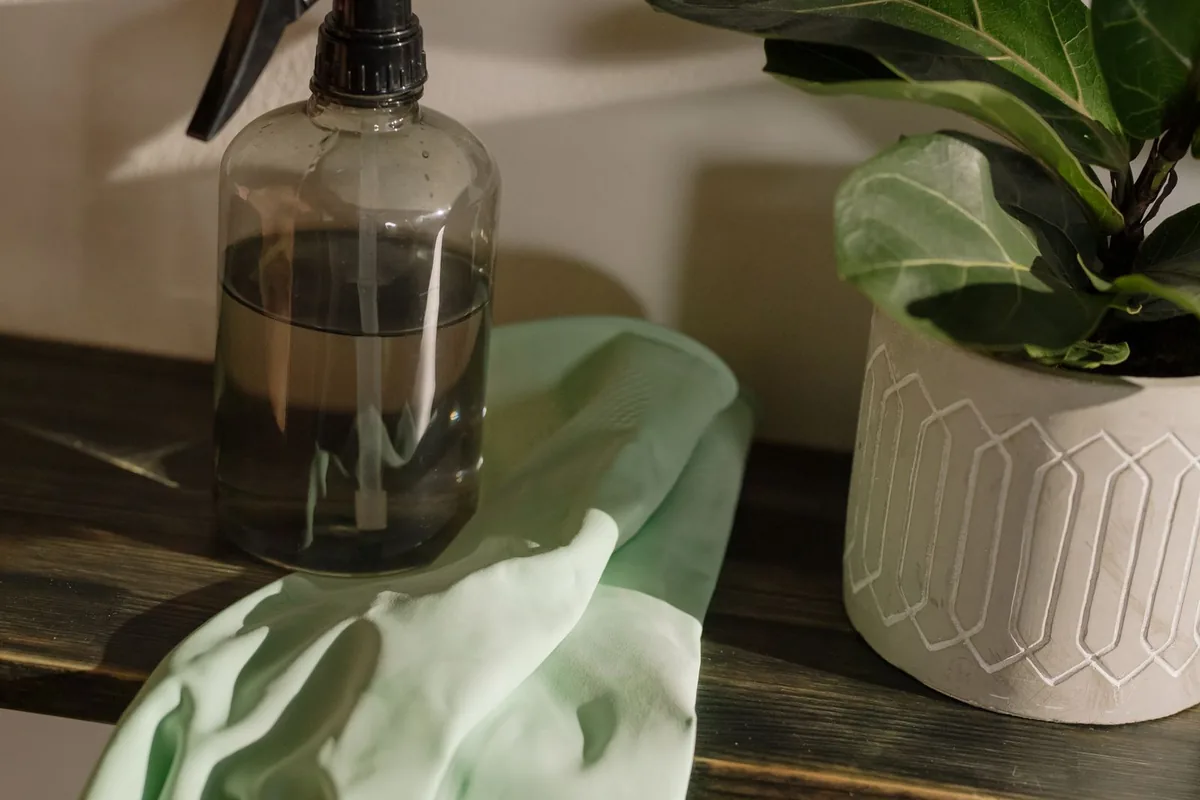
A biohazard cleaner deals with what regular cleaners will not touch: blood, decomposition, human waste and infectious materials. Phinney Ridge homeowners, tenants, landlords and business owners can get discreet biohazard cleanup services by calling Phinney Ridge Biohazard Cleanup Help.
Biohazard cleaners provide emergency response 24/7 in unmarked vehicles. Cleanup technicians contain the affected areas, remove contaminated and hazardous materials, disinfect every surface and haul the biohazardous waste away. Crews serve Phinney Ridge, West Woodland, Seattle and the rest of King County.
Older adults make up about 13% of residents in Seattle, below the Washington average, so calls come from a broad mix of situations, including accidents, crime scenes and rental turnovers. Half the homes in Seattle were built in 1976 or earlier, and the building materials set how deep fluids travel. The crew checks each home to see what is underneath.
Household gloves and a spray bottle do not meet the standard for infectious materials. Biohazard decontamination follows 29 CFR 1910.1030, which sets rules for protective equipment, handling and disposal when blood or other potentially infectious materials are present.
The finish matters as much as the cleanup. After disinfection, HEPA air scrubbers run, odor equipment works on the room, and the crew checks every surface, with ATP testing available to confirm the result.
From a single blood spill to a whole hoarder house, the services below cover the cleanup jobs that come up in Phinney Ridge, Seattle, WA. All are available day or night.
Blood, sewage, sharps and other biohazards removed and disinfected by cleanup crews in protective gear.
Learn more →Crime scene cleaners handle contaminated carpet, drywall and debris, then check the work before handing the space back.
Learn more →Trauma and crime scene cleanup for homes, workplaces and vehicles, handled privately with protective gear.
Learn more →After death cleaning for families, landlords and estates, handled quietly and with care.
Learn more →Suicide scene cleanup for homes, apartments and vehicles, handled quietly and with care.
Learn more →Homicide cleaners remove contaminated materials, disinfect every affected surface and prepare records for insurers.
Learn more →Blood removal, disinfection and waste disposal for floors, carpet, walls and furniture after an injury or accident.
Learn more →Human feces cleanup and removal in homes, rentals and workplaces, with odor treatment included.
Learn more →Human feces removal with protective gear, EPA-registered disinfectants and sealed disposal of contaminated waste.
Learn more →Removes soaked materials, disinfects and neutralizes odor in homes, rentals and vehicles.
Learn more →Safe pathways, careful sorting and deep cleaning for homes with heavy buildup of belongings.
Learn more →Hoarding removal with protective gear, safe lifting and correct disposal of waste.
Learn more →Respectful animal hoarder cleanup for owners, landlords and families, done step by step.
Learn more →Respectful squalor cleaning for owners, landlords and families, step by step.
Learn more →Raw sewage removal, tear-out of soaked materials and full disinfection after a backup or overflow.
Learn more →COVID-19 cleanup and coronavirus disinfection of high-touch surfaces, bedrooms, bathrooms and shared rooms.
Learn more →Cleaning first, disinfecting second: a careful process that targets the germs, not only the stain.
Learn more →Biohazard waste pickup and disposal for homes, small clinics and care facilities across your area.
Learn more →Needle and sharps cleanup: syringes found, collected with tools and disposed of in sealed containers.
Learn more →Discreet drug residue cleanup for rentals, homes, hotels and businesses, with protective gear throughout.
Learn more →Clear steps for owners who suspect meth contamination, from first sample to final report.
Learn more →Fentanyl residue removal with protective gear, soft material removal and proper disposal.
Learn more →Safe removal of solvents, fuels, pesticides, mercury and unlabeled containers from homes and businesses.
Learn more →Hazardous materials contained, removed and hauled away after spills, leaks and accidents.
Learn more →Irritant residue removed from walls, floors, fabrics and vents after tear gas or pepper spray is released.
Learn more →Droppings cleanup in kitchens, garages, ductwork and storage rooms with protective gear and sealed disposal.
Learn more →Containment, wet removal and disinfection of bat and bird guano in attics, barns and rooftops.
Learn more →Carcass cleanup of fluids and soaked insulation, carpet and drywall that cannot be saved.
Learn more →Hazmat car cleaning with protective gear, EPA-registered disinfectants and sealed disposal of contaminated parts.
Learn more →Accident scene cleanup for homes, stores, offices and vehicles, handled quietly with protective gear.
Learn more →Biohazard cleaning for commercial and industrial sites, from restrooms and break rooms to warehouse floors.
Learn more →Sorting, removal and cleaning of a loved one's home, with keepsakes set aside for the family.
Learn more →The cleanup team measures how far fluids, waste or residue spread and decides which materials can be saved. This sets the timeline and the cost range.
Plastic sheeting, floor protection and air filtration go up before anything is moved. Protective gear goes on before the crew goes in.
Soaked carpet, padding, upholstery and drywall are cut out and bagged. Hard surfaces, tools and fixtures are cleaned and disinfected in place.
When the job is done, the family receives the paperwork they need for claims and a clear description of what was removed and treated.
At crime and death scenes, work waits for law enforcement or the investigator to release the property. Nothing is disturbed before that.
Cleanup technicians know families may be grieving. They keep conversations short, kind and free of judgment, and they treat belongings with care.
Cleanup covers houses, apartments, rentals, offices, churches, shops and cars or trucks, with plans that fit each type of property.
Death odor and sewage smell are treated with air scrubbers and hydroxyl or ozone equipment, not masked with sprays that fade.
Biohazard cleanup in Phinney Ridge, Seattle, WA typically costs $500 to $25,000, depending on the type of biohazard, the size of the affected area and how far fluids soaked into porous materials.
Most residential jobs cost $3,000 to $5,000 (Fixr). Extra services such as odor treatment, content cleaning, hauling out damaged furniture and testing add to the total. Ask which of them the job really needs so the quote matches the situation.
| Type of job | Typical range |
|---|---|
| Blood spill cleanup, small area | $500 - $2,500 |
| Crime scene cleanup, most homes | $1,500 - $7,500 |
| Unattended death cleanup | $2,000 - $7,000 |
| Suicide cleanup | $1,500 - $5,500 |
| Sewage cleanup, most homes | $2,000 - $10,000 |
| Hoarding cleanup, level 3 home | $2,000 - $5,000 |
| Meth lab cleanup, typical | $15,000 - $20,000 |
Estimates only, not a quote. Sources: Fixr, Yelp Costs, BioCleaners Directory, PushLeads, Dropcurb, Bob Vila and cleanup company cost guides. Call (877) 812-4220 to talk through the job.
Homes, churches and businesses may need infectious disease disinfection, needle and sharps cleanup, or meth lab and fentanyl decontamination after a property is released.
Offices, shops, churches and other public spaces may need cleanup after an injury, illness outbreak or break-in. The work is planned around staff, customers and reopening dates.
When a death goes unnoticed for days, decomposition fluids reach flooring and subfloor and the odor spreads. Death cleanup removes the affected materials and treats the odor at the source.
Hoarder homes can hide rotting food, animal waste, mold and pests, along with fire and structural hazards. Hoarding cleanup sorts belongings and restores a livable condition.
About 34% is the census figure for older adults living alone in Seattle. When a person dies alone, days may pass before anyone knows, and unattended death cleanup follows.
Attics, barns and sheds can hold droppings, guano and carcasses that carry disease. Careful removal and disinfection protect the people who go back in.
Health risks vary by material. Blood and bodily fluids bring bloodborne pathogens, decomposition brings bacteria and odor, and waste and residue bring their own dangers. Job size then sets the scale of the response.
It means discreet removal of blood, bodily fluids and affected materials, followed by full disinfection and odor treatment, so the family never has to face the scene. If you or someone you know is thinking about suicide, call or text 988 to reach the 988 Suicide and Crisis Lifeline.
Funeral homes and the authorities remove the person. Biohazard cleaners, also called crime scene cleaners or trauma cleanup crews, clean the property afterwards, including fluids, affected materials and odor.
Usually it is better not to. The affected area is sealed off, odor and chemicals may be present, and the work is easier to do safely with people and pets elsewhere. The crew can say what is safe for your situation.
Yes. You can expect unmarked vehicles, quiet work and no discussion of the job with neighbors. Family members are not asked to see or handle anything.
The cost depends on the type of contamination, the size of the area, how many porous materials must be removed, odor treatment and waste disposal. A small spill costs far less than an unattended death or a hoarded home. The cleanup team explains the cost range after hearing the details.
Yes. Dried blood can still carry bloodborne pathogens. The CDC notes hepatitis B can survive on surfaces for at least seven days, and scraping dried blood releases particles. It should be handled with PPE and disinfected.
The nearest emergency room is Virginia Mason Medical Center in Seattle, about 1 miles from Phinney Ridge. In any emergency, call 911 first. Cleanup waits until people are safe.
It can. King County has a Very High river flood risk rating from FEMA. Wherever floodwater or a sewer backup enters a home, the water is treated as Category 3 and needs full cleaning and disinfection.
If the property is in West Woodland, Green Lake or anywhere else near Phinney Ridge, the call is the same: (877) 812-4220. Day or night, call Phinney Ridge Biohazard Cleanup Help for help anywhere in King County and the surrounding area.
Call (877) 812-4220 day or night and a cleanup specialist will answer.
Call (877) 812-4220